


    SILIMOLD 20 – RTV-2 Molding silicone for detailed silicone molds


     With SILIMOLD 20 RTV-2 molding silicone you can create your own reusable silicone molds.
     The two-component, addition-curing silicone rubber with Shore A 20 is suitable for creative casting projects, model making and the reproduction of originals.
     The flowable silicone reproduces fine surface structures. Its elasticity facilitates demolding – even with highly detailed models.


     Your advantages:

      Detailed molds: for fine contours and surfaces.
      Soft and elastic: makes it easier to remove your castings.
      Simple mixing ratio: Component A and B in a 1:1 ratio by weight.
      Reusable molds: for multiple casts of the same motif.


     Versatile in mold making:
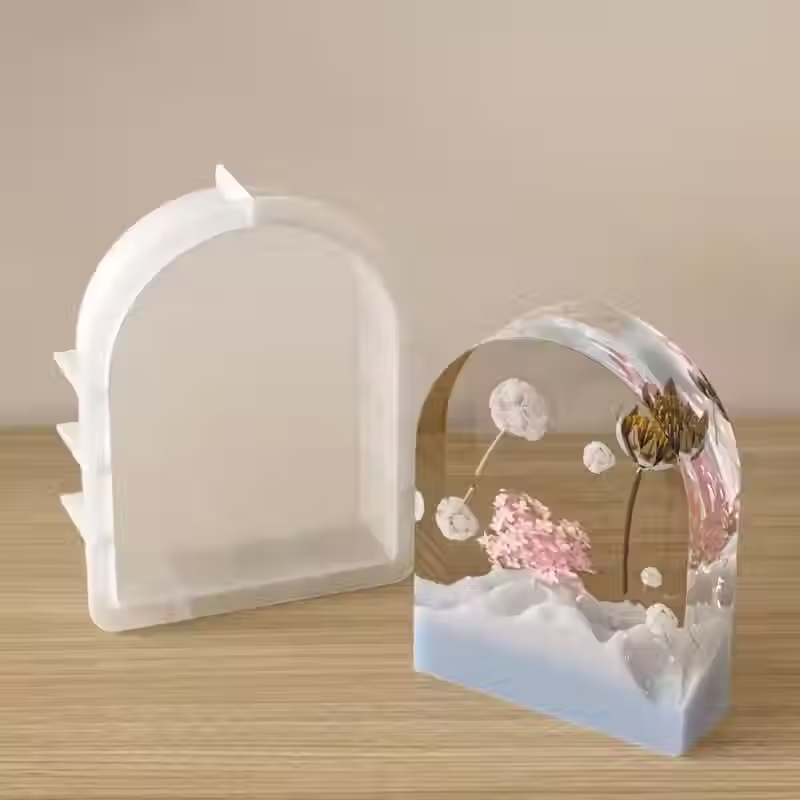
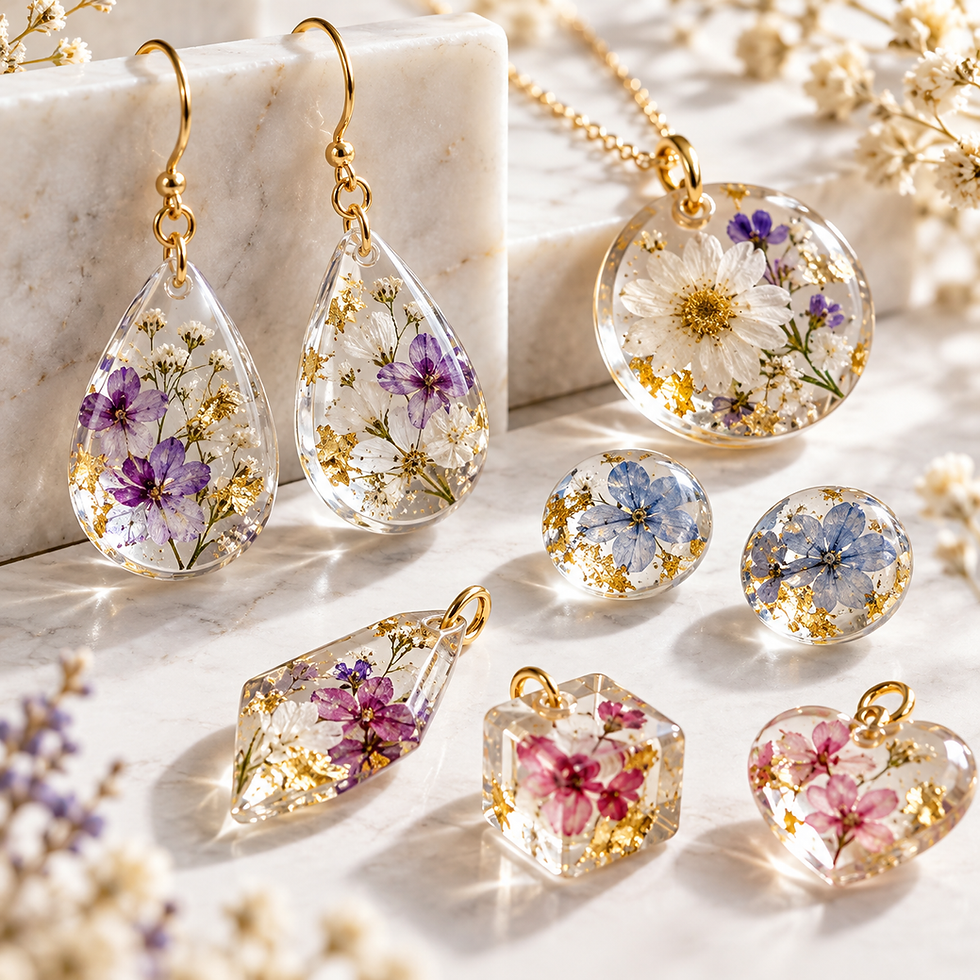
     Use SILIMOLD 20 to create molds for epoxy resin, plaster, concrete, and soap . Ideal for coasters, decorations, figurines, and model parts.


     Processing:

      Prepare the original and the mold box to be clean, dry and tightly sealed.
      Weigh both components precisely and mix thoroughly. Include the bottom and sides of the container.
      Pour slowly in a thin stream at one point.
      Allow to harden completely and carefully remove the original from the mold.


     Processing time: approx. 20 minutes.
 Can be demolded after approximately 4–5 hours.


     Which SILIMOLD model is right for your project?

      SILIMOLD SOFT 10 – particularly soft: For delicate models and pronounced undercuts where the mold needs to be able to bend significantly during demolding.
      SILIMOLD 20 – versatile and balanced: For general art and DIY projects where flexibility and dimensional stability are equally important.
      SILIMOLD 30 – stronger and more dimensionally stable: For heavier casting materials such as cement, concrete and gypsum, as well as demanding applications in model and mold making.


     The processing times depend on the temperature. For unknown model materials, first test the compatibility with a small sample.
RTV-2 impression silicone SILIMOLD 20 – Shore A 20
- Processing time approx. 20 minutes
- Curing time min. approx. 60 minutes
- Demoldable after 4-5 hours
- Addition-curing
- Hardness: Shore A 20 (after 24 hours) (Iso868)
- Density: 1.05 g/cm3 (high purity)
- Heat-resistant: up to 180 °C (briefly 250 °C)
- Frost-resistant: at least down to -45 °C
- Shelf life: unopened 2 years
- Storage: cool (< 25 °C), dry, dark
- Processing: at room temperature, at least 15 °C
- Shrinkage: < 0.1%
- Viscosity: 7000 (mPas)
- Elongation at break: 520 KN
- Tensile strength: 4.7 N/mm
- Tear resistance: 6.0 N/mm2
- Solvent-free
- Non-toxic
- Non-flammable
- Non-corrosive
- Not harmful in contact with skin
With SILIMOLD 20 RTV-2 molding silicone you can create your own molds for epoxy resin, plaster, concrete or soap.
You need this
SILIMOLD 20 – Components A and B
Digital scale
Clean mixing cups and stirring spatulas
Your original to be molded
A suitable, tightly sealed mold box
Protective gloves and safety glasses
1. Prepare the original and the mold box
The original must be clean, dry, and free of dust and grease. Secure it to the bottom of the mold box so it doesn't slip or float during pouring.
Leave enough space around the original for a stable silicone seal. Seal all joints carefully to prevent any liquid silicone from leaking out.
Important: Porous originals may require a suitable sealant. For unknown materials, test a small sample to ensure the silicone cures completely and can be removed again.
2. Weigh the components precisely.
Mix component A and component B in a 1:1 ratio by weight .
Example:
To make 200g of finished silicone mixture, you need 100g of component A and 100g of component B.Use a scale and adhere precisely to the mixing ratio.
3. Mix thoroughly
Stir both components slowly and thoroughly for about 2–3 minutes until a smooth, streak-free color is achieved. Make sure to also stir the bottom of the container and along the sides.
Avoid rapid beating or frothing to minimize the amount of air incorporated.
4. Pour in the silicone
Pour the silicone slowly in a thin stream into one part of the mold. From there, let it flow around the original until it is completely covered with sufficient material thickness.
The processing time is approximately 20 minutes . Therefore, start pouring promptly after mixing.
5. Allow to harden
Place the mold box on a flat surface and allow the silicone to cure undisturbed at room temperature.
The mold can be demolded after approximately 4–5 hours . Low temperatures can prolong the curing process. Only demold when the silicone is sufficiently firm and no longer tacky.
6. Remove the original from the mold
First, loosen the mold. Then carefully peel the silicone off the original. Work slowly on fine details and avoid sharp-edged tools.
You can then use your self-made silicone mold for further casting projects.
Avoid common mistakes
Sticky spots: Weigh the components more accurately and mix them more carefully.
Air bubbles at the details: Mix slowly and let the silicone flow in a controlled manner.
Deformed or cracked shape: Ensure sufficient wall thickness and allow to harden completely.






Reviews
Das Produkt entspricht genau was in der Anzeige steht, es ist sehr einfach zu benützen und gibt eine qualitative Form. Der Kundendienst ist excellent gewesen.
Schnelle Liefrung. Produkt entspricht 100% der Beschreibung.