


How to properly clean silicone molds for epoxy resin – quick & easy

Silicone molds are the heart of many epoxy resin projects—whether jewelry, coasters, or creative decorative elements. Proper cleaning of the molds is crucial to ensuring your artwork is clear, bubble-free, and shiny .
In this article, we'll show you how to clean silicone molds quickly, easily, and gently so they last a long time and give you perfect results.
Why is cleaning silicone molds important?
Prevents resin residue and dust – for flawless surfaces.
Protects the shape and extends the service life.
Provides better results as the resin can harden evenly.
Step-by-step cleaning instructions
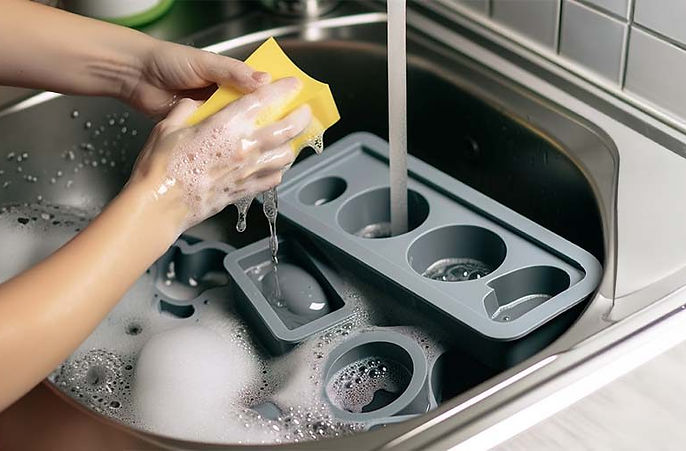
1. Rinsing and pre-cleaning
-
Carefully remove any loose resin residue or dust.
-
Rinse the mould under lukewarm water – never too hot, as this can damage the silicone.
-
Hardened resin can usually be removed by gently bending the mould.
-
Tip: You can use a piece of tape or a lint roller to pick up small particles such as glitter or dust without scratching the surface.
2. Clean with warm water and washing-up liquid.
-
Fill a basin with warm water and mild washing-up liquid.
-
Leave the mould to soak for a few minutes – this will make it easier to remove resin residues and pigments.
-
Gently move the mould in the water so that even fine details are reached.
-
Then rinse thoroughly with clean water to remove any soap residue.
3. Gentle scrubbing for stubborn residues
-
Use a soft cloth or microfibre sponge.
-
Do not use steel wool or scouring pads – these leave scratches and destroy fine structures.
-
Work with light, circular movements – especially on edges and details.
-
If pigment residue remains, repeat the process instead of scrubbing harder.
Tips for long-lasting silicone moulds
-
Always store in a dust-free, cool and dry place.
-
Avoid direct sunlight.
-
Never use sharp tools for demoulding – instead, carefully bend the mould.
The best method for cleaning silicone moulds for epoxy resin is lukewarm soapy water and gentle cleaning. This will keep your moulds flexible and durable, delivering perfect resin casts – project after project.
Discover high-quality silicone moulds, epoxy resins and accessories in our Epoxyresin-shop.ch – for creative results like a pro!
Advanced stain and odor removal methods

Sometimes epoxy resin leaves cloudy spots or unpleasant odours that cannot be removed with normal washing-up liquid and water. In such cases, specific household remedies can help to remove stains and neutralise odours – without damaging the silicone moulds.
Use baking powder
Baking soda is slightly abrasive, but still gentle on silicone. Mix 3 parts baking soda with 1 part water until a thick paste forms.
-
Apply the paste to the discoloured areas inside the mould.
-
Leave on for 15–20 minutes.
-
Then gently scrub with a soft cloth or toothbrush.
-
Rinse with warm water and dry thoroughly.
Stubborn stains? Simply repeat the process. Unlike aggressive cleaners, baking soda does not scratch or weaken the silicone.
Isopropanol for sticky residues
If resin residues stick and cannot be removed, isopropyl alcohol (70–91%) will help.
-
Soak a cotton pad or cloth with alcohol and press it onto the area.
-
Leave on for 1 minute.
-
Wipe off any residue, using a cotton bud for small corners.
-
Then wash the mould with mild washing-up liquid and water to remove any alcohol residue.
Hinweis: Nur punktuell einsetzen, nicht als vollständige Reinigung, da Isopropanol sehr stark ist.
Vinegar and natural alternatives
White vinegar is useful for light stains and odours.
-
Mix equal parts vinegar and warm water.
-
Soak the silicone mould in it for approx. 30 minutes.
If the odour is persistent, add a teaspoon of lemon juice – this enhances the cleaning effect and leaves a fresh scent.
-
Rinse well so that no vinegar smell remains.
-
A lemon juice paste or a quick dip in diluted hydrogen peroxide can help with yellowing.
How to get your silicone moulds clean and fresh again – without harsh chemicals.
Whether it's dull spots or unpleasant odours, baking soda, alcohol or vinegar are gentle and effective methods for getting your silicone moulds back into top shape. This will keep them durable, flexible and ready for your next epoxy resin project.
Best tips for caring for silicone molds for epoxy resin
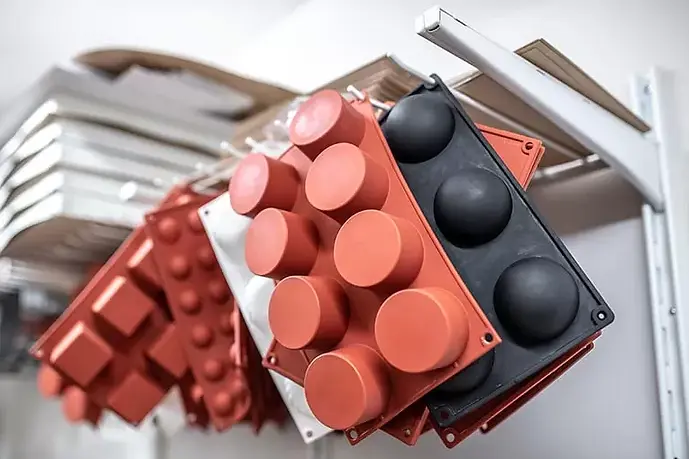
If you take proper care of your silicone moulds, you will get perfect results when casting for longer, save money and avoid unnecessary damage.
Drying, storing and handling them with care are more important than many people think.
Proper drying and storage
-
Dry thoroughly after cleaning: residual moisture can cause cloudy spots or weaken the silicone. It is best to dab with a soft, lint-free cloth and allow to air dry.
-
Store in a cool, dust-free place: Keep your moulds flat in a cool, clean area. Heat and direct sunlight can deform or harden the silicone.
-
Do not stack directly on top of each other: if you have several moulds, place baking paper or foil between them. This will prevent them from sticking or bending.
Avoid common mistakes
-
Do not use sharp tools: if you use knives or needles to remove resin residue, you will cause scratches or cracks, which will be visible in the final cast. It is better to gently bend the mould and remove the resin.
-
No aggressive cleaning agents: bleach, alcohol or abrasive cleaners make silicone brittle. Only use mild soap and warm water – that is perfectly adequate.
-
Do not use cooking oil or cooking spray: these leave a greasy film that is difficult to clean and can interfere with the curing of epoxy resin. If you need help with demoulding, use a special release agent for resin.
Extend the service life of the moulds
-
Careful removal: Pulling or tugging too hard puts unnecessary strain on the silicone. Take your time when removing the mould.
-
Keep away from heat: Silicone warps permanently when it comes into contact with ovens, heaters or heat guns. Store your moulds at room temperature.
-
Use mould release: If resin starts to stick, a thin spray film of silicone-compatible release agent will help. This reduces wear and tear.
-
Alternate between different shapes: It is particularly worthwhile to alternate between several shapes for frequently used designs. This prevents any one shape from wearing out too quickly.
With the right care, your silicone moulds will remain flexible and durable, ensuring smooth, bubble-free resin castings.
This will not only save you money, but also allow you to enjoy your resin hobby for years to come.
Better silicone molds, easier to clean – discover epoxyresin-shop.ch

Cleaning silicone moulds is only part of the process – high-quality moulds make everything easier. Cheap silicone moulds tear, deform or lose their flexibility after just a few uses, no matter how carefully you care for them. That's why it's worth investing in high-quality professional moulds right from the start.
Our Epoxyresin-shop.ch silicone moulds are made of high-quality, flexible silicone that is particularly durable, reproduces fine details perfectly and minimises the adhesion of epoxy resin.
The moulds come in many creative designs – perfect for jewellery, coasters or decorative artworks. Each mould is designed for repeated use and ensures clear, smooth resin castings that are much easier to clean than cheaper alternatives.
With the right tools and a little care, your moulds will last longer, save you money, and ensure that your resin projects look professional.
Conclusion
The best method for cleaning silicone moulds for epoxy resin:
-
Warm water and mild soap for daily cleansing
-
Baking powder or vinegar for stubborn stains
-
Isopropyl alcohol for oily or sticky residues
With the right care, your moulds will remain flexible, durable and non-stick – for perfect results every time.
Use the right tools from the start: discover our Epoxyresin-shop.ch silicone moulds and combine them with Epoxyresin-shop.ch Crystal Clear Casting epoxy resin for flawless resin artworks.